
06.tbl. 112. árg. 2026
Ritstjórnargreinar
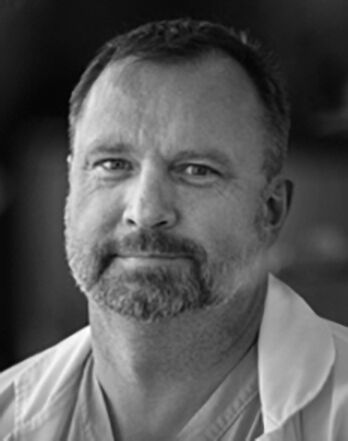
Sigrumst á sýklasótt í börnum. Sigurbergur Kárason
Sigurbergur Kárason
Sýklasótt er heilkenni sem kemur fram vegna yfirdrifins viðbragðs ónæmiskerfisins við sýkingu og er lífshættulegt ástand með truflunum á starfsemi líffæra og jafnvel fjöllífærabilun. Einkenni sýklasóttar í börnum geta þó verið ósértæk, sérstaklega í byrjun, og greining því oft vandasöm á því stigi, en versnun getur síðan verið hröð og alvarleg veikindi orðið á skömmum tíma.
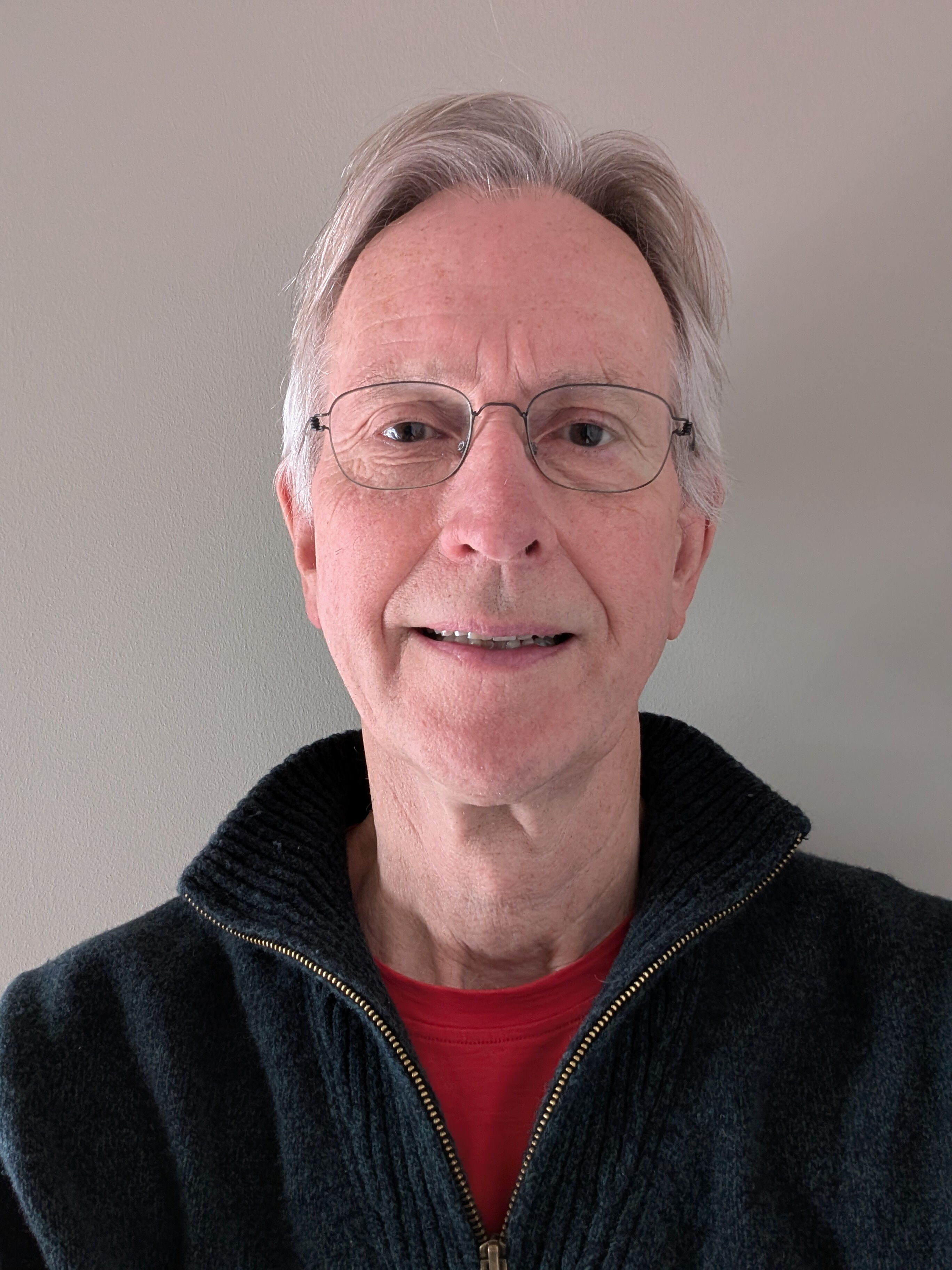
Mönnunarvandi heimilislækna. Þórður Gísli Ólafsson
Þórður Gísli Ólafsson
Margir hafa rætt um heimilislæknaskortinn og mönnunarþörfina á síðustu árum. Þar má til dæmis nefna Ríkisendurskoðun, Félag íslenskra heimilislækna og Læknablaðið. Einnig hafa verið á vegum heilbrigðisráðuneytisins (HBR) myndaðir vinnuhópar, ritaðar skýrslur, gerðar áætlanir en óljós markmið sett varðandi mannafla og mannaflaspá til næstu ára.
Fræðigreinar
-
Yfirlitsgrein. Börn með sýklasótt
Björn Gunnarsson, Theódór Skúli Sigurðsson, Bergþór Steinn Jónsson -
Rannsókn. Greining, meðferð og horfur sjúklinga með kirtilkrabbamein í mjógirni á Landspítala 2002-2021
Silja Dögg Helgadóttir, Karin Ulrika Johansen, Kristín Huld Haraldsdóttir - Sjúkratilfelli. Meðfætt sársaukaleysi af völdum áður óþekktrar SCN9A-arfgerðar
Umræða og fréttir
- Viðurkenning undirsérgreina barnalækna á Íslandi
-
Umfangsmikið skipulagviðbragðsaðila vegna sólmyrkvans
Olga Björt Þórðardóttir -
„Heilbrigðiskerfið er traust og gott og undirbúið fyrir almyrkvann“
Olga Björt Þórðardóttir -
Úr penna stjórnarmanna LÍ. Eins og barn á jólunum. Steinunn Þórðardóttir
Steinunn Þórðardóttir -
Nákvæmni og nærvera í íslenskum speglunarlækningum
Olga Björt Þórðardóttir -
„Við forgangsröðum þeim sem við teljum að þoli ekki bið“
Kristborg Bóel Steindórsdóttir -
Fullkomið tækifæri til að snúa aftur heim
Kristborg Bóel Steindórsdóttir -
Bókin mín. Munurinn á skólagöngu og menntun. Martin Ingi Sigurðsson
Martin Ingi Sigurðsson -
Öldungadeildin. Að verða tíu ára. Sveinn Magnússon
Sveinn Magnússon -
Dagur í lífi læknis. Lýtalæknir í Curacao. Halla Fróðadóttir
Halla Fróðadóttir - Doktorsvörn við Háskóla Íslands: Maríanna Garðarsdóttir
-
Sérgreinin mín. Nýburalækningar. Sérgreinin mín valdi mig. Snjólaug Sveinsdóttir
Snjólaug Sveinsdóttir -
Sérgreinin mín. Nýburalækningar. Á réttri hillu. Júlíus Kristjánsson
Júlíus Kristjánsson -
Liprir pennar. Hlaupviskubit? Þórdís Jóna Hrafnkelsdóttir
Þórdís Jóna Hranfkelsdóttir